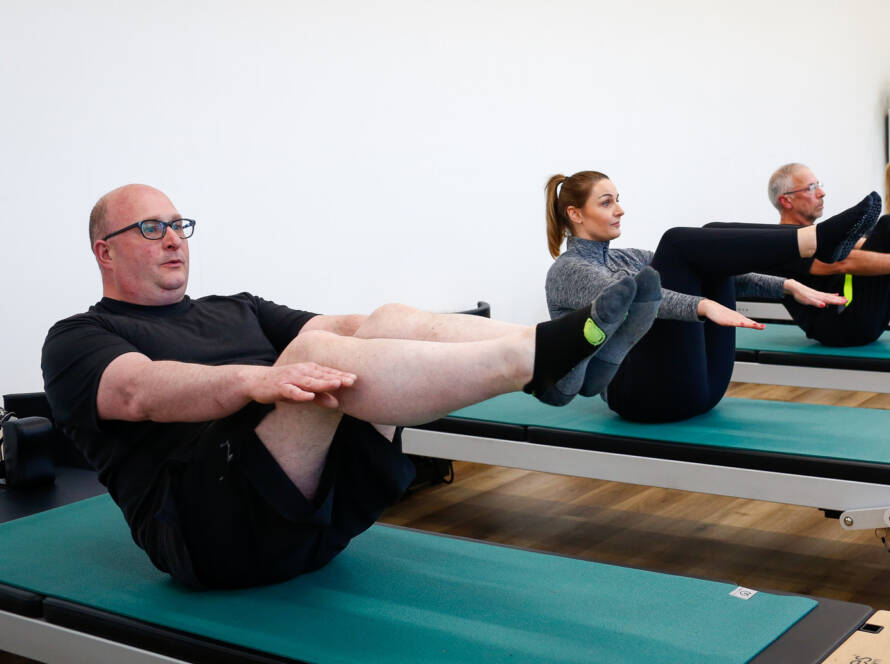
Moving Beyond the Ache: How Reformer Pilates Soothes Lower Back Pain
Lower back pain is one of the most common physical burdens worldwide, often caused by poor posture, weak core muscles, or sedentary lifestyles. When your spine lacks stability, other muscles overcompensate, creating a cycle of stiffness and strain. While your first instinct might be to rest, medical consensus strongly recommends staying active to reduce pain intensity and restore function. If you are looking for a gentle, evidence-based way to build spinal resilience, Reformer Pilates offers a highly effective, low-impact solution. By utilising a system of springs, pulleys, and a sliding carriage, it supports your body weight while safely building the specific muscles needed to protect your spine.
Why the Reformer Machine is a Back Pain Game-Changer
Unlike mat-based workouts where you fight gravity, the Reformer provides variable resistance that can either assist or challenge your movements. This makes it uniquely suited for back care for three major reasons:
-
- Deep Core Activation: The deep abdominal muscle known as the transversus abdominis acts like a natural corset for your lumbar spine. When it is weak, your back loses its primary structural support. Reformer exercises directly isolate and thicken these deep stabilising muscles without requiring stressful sit-ups or crunches.
- Decompression and Mobility: Tight hips, stiff hamstrings, and a locked thoracic spine force the lower back to overwork. The Reformer’s smooth gliding carriage allows you to stretch and lengthen tight muscle chains safely, decompressing the spine and creating a happier, more mobile back.
- Low Impact Alignment: Because many exercises are performed lying down (supine) or sitting, you eliminate the heavy vertical loading on your joints. The springs guide you into proper alignment, letting you rebuild strength without aggravating existing pain.
Reformer Movements for Back Relief
When dealing with low back tension, consistency is key. Incorporating a routine 2 to 3 times per week gives your neuromuscular system the regular feedback it needs to break bad postural habits.
| Exercise | Primary Benefit | How It Helps Your Back |
|---|---|---|
| Pelvic Tilts | Deep Core Activation | Safely awakens the transversus abdominis and gently mobilises the lower lumbar spine. |
| Bridging | Posterior Chain Strength | Strengthens the glutes and hamstrings, taking the physical load off the lower back. |
| Footwork on the Carriage | Balanced Alignment | Promotes lower limb symmetry and joint tracking while keeping the spine supported. |
| Leg Circles (with Straps) | Hip Mobility | Relieves pressure on the pelvic girdle by gently opening tight hip sockets. |
| Mermaid Stretch | Lateral Flexibility | Opens up the sides of the waist and torso, reducing asymmetrical back tension. |